Prepare for Pregnancy, Birth, and Parenting
Become emotionally and physically prepared for pregnancy and birth. Research available options for healthcare providers and birthing environments, and become informed about routine newborn care. Continuously educate yourself about developmental stages of childhood, setting realistic expectations and remaining flexible.
We chose to attend a Bradley Birthing class, hire a midwife and birth at a birth center and at home. I received dual care with my OB during my pregnancies though.
Feed with Love and Respect
Breastfeeding is the optimal way to satisfy an infant's nutritional and emotional needs. "Bottle Nursing" adapts breastfeeding behaviors to bottle-feeding to help initiate a secure attachment. Follow the feeding cues for both infants and children, encouraging them to eat when they are hungry and stop when they are full. Offer healthy food choices and model healthy eating behavior.
We breast feed exclusively and try to limit the need for bottles. I have reinstated my breast feeding relationship with my older child as he feels this is necessary for him. We try to only buy organic and fairly treated animals for our food regardless of the larger cost. We limit other so called "necessities" to ensure we can afford our food.
Respond with Sensitivity
Build the foundation of trust and empathy beginning in infancy. Tune in to what your child is communicating to you, then respond consistently and appropriately. Babies cannot be expected to self-soothe, they need calm, loving, empathetic parents to help them learn to regulate their emotions. Respond sensitively to a child who is hurting or expressing strong emotion, and share in their joy.
We co-sleep with our children until they are 2. We respond as soon as they start crying to ensure they establish trust in adults. We never leave them alone to self sooth. We try and ensure they talk through their feelings when they are upset.
Use Nurturing Touch

Touch meets a baby's needs for physical contact, affection, security, stimulation, and movement. Skin-to-skin contact is especially effective, such as during breastfeeding, bathing, or massage. Carrying or babywearing also meets this need while on the go. Hugs, snuggling, back rubs, massage, and physical play help meet this need in older children.
We use the baby carrier, wraps and just carry our infants as much as possible. We enjoy baby massage and baby yoga.
Ensure Safe Sleep, Physically and Emotionally
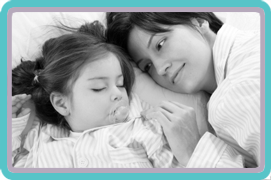
Babies and children have needs at night just as they do during the day; from hunger, loneliness, and fear, to feeling too hot or too cold. They rely on parents to soothe them and help them regulate their intense emotions. Sleep training techniques can have detrimental physiological and psychological effects. Safe co-sleeping has benefits to both babies and parents.
We co-sleep with our children until they are at least 2 years old.
Provide Consistent and Loving Care
Babies and young children have an intense need for the physical presence of a consistent, loving, responsive caregiver: ideally a parent. If it becomes necessary, choose an alternate caregiver who has formed a bond with the child and who cares for him in a way that strengthens the attachment relationship. Keep schedules flexible, and minimize stress and fear during short separations.
We have tried to work our lives and work schedules so we are the primary care giver or a grandparent at all times.
Practice Positive Discipline
Positive discipline helps a child develop a conscience guided by his own internal discipline and compassion for others. Discipline that is empathetic, loving, and respectful strengthens the connection between parent and child. Rather than reacting to behavior, discover the needs leading to the behavior. Communicate and craft solutions together while keeping everyone's dignity intact.
We try an have a constant communicative dialogue with our children to ensure we understand why they act the way they do.
Strive for Balance in Personal and Family Life

It is easier to be emotionally responsive when you feel in balance. Create a support network, set realistic goals, put people before things, and don't be afraid to say "no". Recognize individual needs within the family and meet them to the greatest extent possible without compromising your physical and emotional health. Be creative, have fun with parenting, and take time to care for yourself.
We try and ensure that we are no stressed out by work or other activities. We have planned in advance to allow at least 9 months with mom and baby after the baby is born.

No comments:
Post a Comment